The Focus Dividend
Readings on focus, attention, and intentional living. Minimal design, maximum clarity.
-
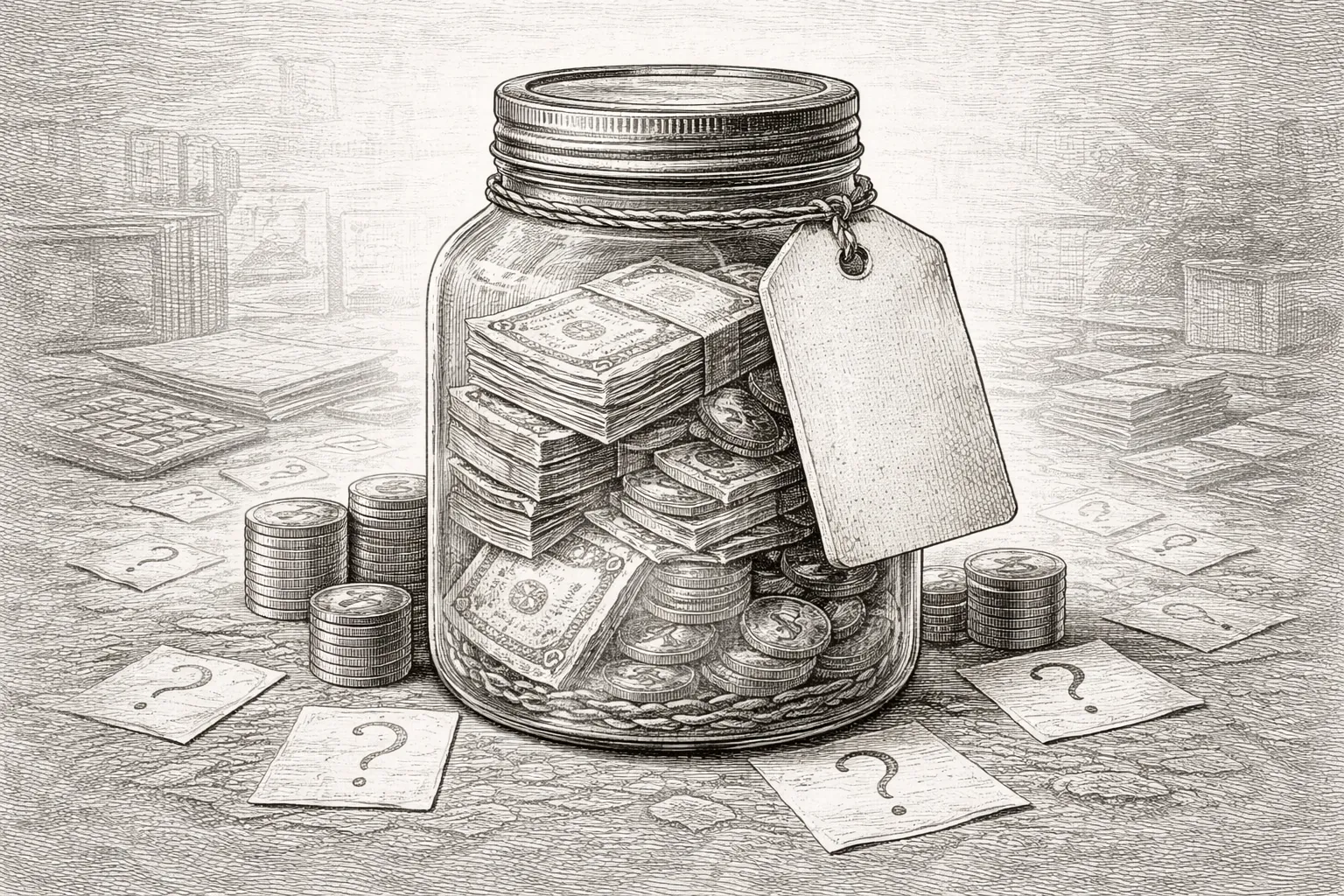
Save $50K sounds impressive. But for what?
Why your financial goals feel meaningless - and how to connect money to actual life changes that make the numbers worth caring about.
-

How Anxiety Masquerades as Distraction
Your focus problem might not be a focus problem. Here's why anxiety often looks like distraction—and what actually helps when it does.
-

Attention Management Beats Time Management
Time blocking won't save you if your attention is scattered. Here's how to actually reclaim your focus in a distracted world.
-

The Attention Myth That's Ruining Your Workdays
You think you should focus for eight hours straight. That's impossible, and trying to do it is destroying your actual productive capacity.
-

Being Reliable Is Not the Same as Being Valuable
Reliability keeps you employed. Value is what gets you promoted, trusted, and chosen. Learn how to make the shift.
-

Why Background Noise Works for Some, Not Others
Coffee shop chaos boosts your focus while silence kills it? The neuroscience behind why background noise isn't one-size-fits-all.
-
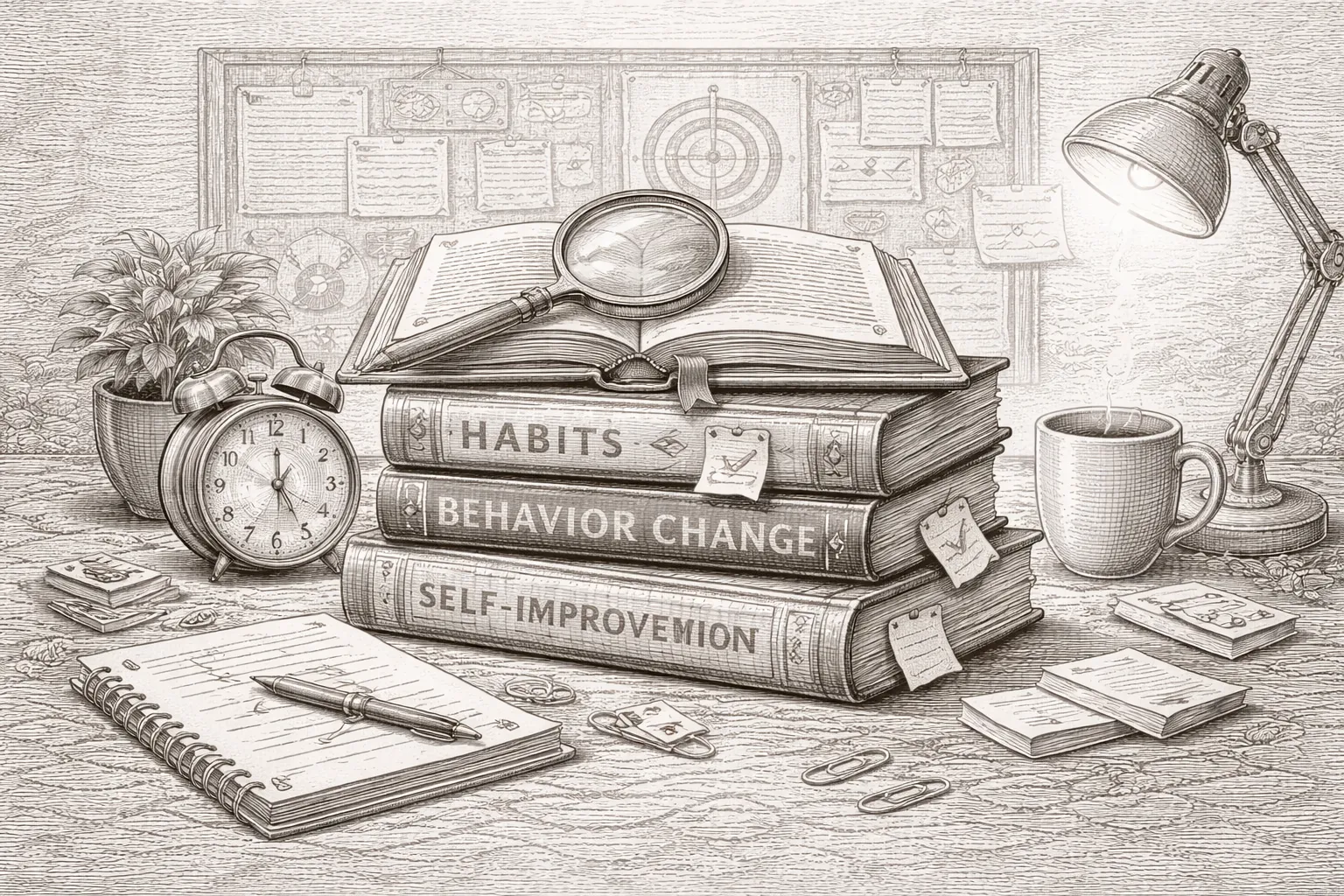
Best Books on Behavior Change That Actually Work
Five books that teach lasting behavior change, not temporary motivation. Real psychology, honest about difficulty, proven frameworks.
-

The Best Focus Apps Ranked by Real Users
Forest, Freedom, Focus@Will—which actually works? Real user reviews reveal what helps you focus and what's just noise in your notification tray.
-

The Best Evening Routine Ideas (That You'll Actually Stick With)
Evidence-based evening routines that work for real life—not Instagram-perfect rituals. Find what actually improves your sleep, energy, and next-day performance.
-
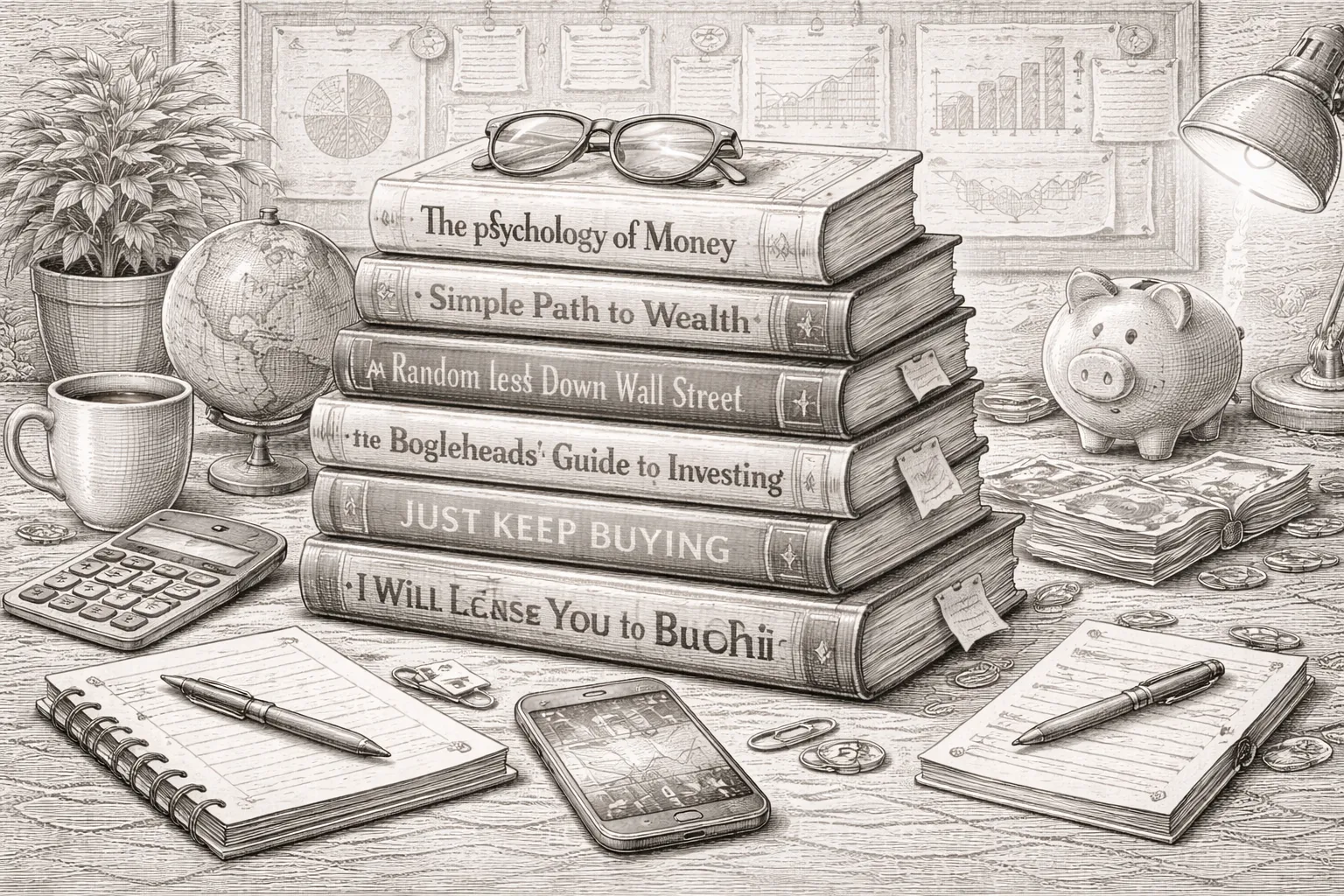
Best Investment Books for Beginners in 2025
Five essential investing books that actually teach beginners. Tested strategies, honest limitations, and reading order that works.
-

Best Money Management Books for Couples in 2025
Five books that actually help couples stop fighting about money. Real strategies for shared finances, honest conversations, different approaches.
-

Why Boredom Is Essential for Deep Thinking
Your brain's best insights emerge when you're doing nothing. The neuroscience of why eliminating idle time kills creativity and problem-solving.
-

Best Productivity Books That Actually Changed Careers
Five books that transform how you work, not just how you organize tasks. Real career shifts, honest limitations, lasting changes.
-

The Hidden Focus Cost of Too Many Browser Tabs
Those 47 open tabs aren't just clutter—they're a constant drain on your attention. Here's what browser tab overload does to your brain and how to fix it.
-

The Best Budgeting Apps Ranked and Reviewed
Which budgeting apps actually help you spend less and save more—not just track transactions but change your relationship with money.
-

How to Build Career Resilience Without Burning Out
Job security is dead. Here's how to build real career resilience through skills, networks, and systems—not just working harder.
-

How to Build an Emergency Fund That Actually Works
The 'save 6 months of expenses' advice is useless when you're living paycheck to paycheck. Here's how to build emergency savings that fit your reality.
-
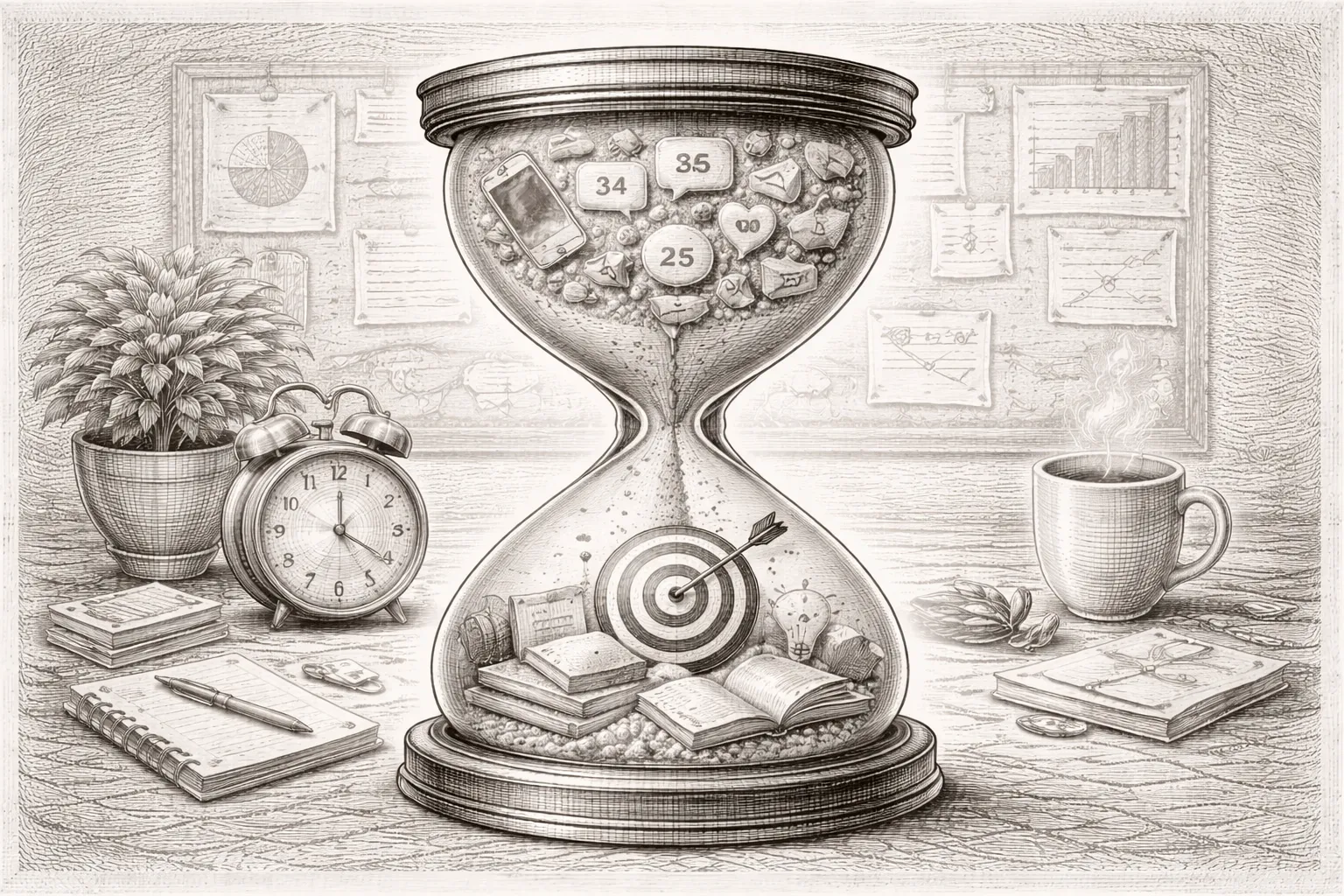
How to Build Focus Stamina Over Time
You can't suddenly focus for hours if you've trained your brain for 10-minute bursts. Here's how to systematically expand attention capacity.
-

How to Build Influence Without Authority
You can't force people to listen. Here's how to get things done and drive change when you don't have formal power or a leadership title.
-

How to Build a Personal Brand Without Feeling Fake
Personal branding advice feels performative and shallow. Here's how to build visibility and reputation while staying genuinely yourself.
-

How to Build a Portfolio Career That Actually Works
Multiple income streams sound liberating until you're juggling chaos. Here's how to build a portfolio career with intention, not exhaustion.
-

How to Build Skills That Transfer Across Industries
Industry-specific expertise traps you. Here's how to develop capabilities that create options regardless of where your career takes you.
-

The Difference Between Being Busy and Being Focused
You're productive all day but accomplish nothing meaningful. The problem is you're confusing activity with attention—and they're completely different.
-

The Difference Between Busy Careers and Meaningful Ones
Your calendar is full and your inbox is overflowing. You're working hard, but it doesn't feel like it matters. Here's why busy and meaningful rarely overlap.
-

How Caffeine Really Affects Focus (The Science)
Caffeine boosts alertness, but the timing, dose, and tolerance matter more than you think. Here's what research actually shows.
-

Why Career Anxiety Is So Common Now
The modern workplace creates chronic uncertainty. Here's why your career anxiety isn't a personal failing—and what actually helps.
-

The Career Cost of Being the Go-To Person
Being helpful feels good until it derails your career. Here's why 'the reliable one' rarely gets promoted—and what to do instead.
-

The Career Advice That Stops Working After 30
Why hustle harder and say yes to everything destroys mid-career professionals - and what actually matters when you're past the entry level.
-

How to Avoid Building a Career You Hate
You climbed the ladder successfully—and realized you're on the wrong wall. Here's how to catch misalignment before you're ten years in.
-

The Career Cost of Not Taking Vacation
Skipping vacation to prove dedication backfires. Here's why the people who take time off get promoted faster—and how to break the cycle.
-

Career Growth Is Mostly About Leverage
Working harder won't get you promoted. Your value multiplies when you learn to scale your impact beyond your personal output.
-

The Career Impact of Being Underestimated
Being underestimated isn't just frustrating—it's expensive. Here's how to turn low expectations into strategic advantage without burning out.
-

The Career Impact of Poor Communication Skills
Your technical skills won't save you if you can't explain them. Here's why good communicators get promoted over better doers—and how to fix it.
-

The Career Paths Nobody Talks About
The most interesting careers don't fit on a LinkedIn trajectory. Here's what success looks like when you ignore the conventional playbook.
-

Why Career Pivots Get Harder With Age
Career changes don't get harder because you're less capable—they get harder because the stakes are real. Here's how to pivot anyway.
-

The Career Risk of Being 'Too Useful'
Being indispensable in your current role often means being unpromotable. Here's why competence can trap you—and how to escape it.
-

How to Build a Career That Doesn't Break You
Most career advice pushes you toward burnout. Here's how to build momentum without burning out—practical strategies for sustainable growth.
-

Why Clarity Beats Hustle
Working harder doesn't fix working on the wrong things. Clarity about what matters eliminates most of the hustle you think you need.
-

Why Comparison Culture Ruins Financial Peace
Your financial anxiety isn't about your actual money. It's about measuring your progress against everyone else's highlight reel disguised as reality.
-

You Know What to Do. You Just Can't Keep Doing It.
Why consistency breaks down isn't about discipline - it's about emotional resistance you haven't acknowledged or addressed.
-

Why Context Collapse Ruins Focus
Switching between Slack, email, docs, and calls isn't multitasking—it's cognitive whiplash. The hidden cost of constant context switching.
-

How Context Switching Quietly Drains Your Energy
You're not tired from working hard. You're exhausted from switching between tasks dozens of times per day without noticing the cost.
-

The Best Coworking Spaces vs. Home Office: Which Actually Works
Compare coworking memberships and home office setups for remote work. Real costs, productivity data, and situational recommendations.
-

Why Creative Work Needs Different Focus Strategies
Deep work techniques that boost analytical productivity can kill creativity. Why creative focus requires a completely different approach.
-

Why Credit Scores Matter More Than You Think
Your credit score isn't just about loans. It's a financial shadow that follows you into apartment applications, insurance rates, and job opportunities.
-

How to Build Days That Survive Distractions
Perfect focus is impossible. What you need isn't better concentration—it's a daily structure that works even when distractions happen.
-

Why Deadlines Sometimes Improve Focus
Time pressure can sharpen attention or trigger panic. The neuroscience of when deadlines help versus when they paralyze productivity.
-

The Best Desk Setups for Concentration in 2025
Practical desk configurations that actually help you focus, tested by remote workers, developers, and knowledge workers who need deep work every day.
-

The Difference Between Discipline and Design
You don't need more willpower to build better habits. You need better systems that make the right choice the obvious choice.
-

The Best Distraction-Blocking Software Reviewed
Real-world testing of blocking apps that actually work, from gentle friction to nuclear options—plus the psychological traps that make most blockers fail.
-

The Emotional Cost of 'Falling Off'
Missing habits triggers shame that prevents restart. Here's why 'getting back on track' feels impossible—and how to break the cycle.
-

Why Early Retirement Requires Different Planning
Planning to retire at 45 isn't just traditional retirement moved up 20 years. It's a fundamentally different financial challenge that breaks standard advice.
-

The Emotional Side of Money Nobody Talks About
Why financial advice ignores the shame, identity conflicts, and relationship dynamics that actually determine how you handle money.
-

Why Your Habits Fail: It's About Energy, Not Willpower
Most habit advice ignores your energy levels. Here's how to build routines that work with your biology, not against it.
-

How to Evaluate Job Offers Beyond Salary
A higher salary doesn't always mean a better job. Here's how to evaluate opportunities based on what actually matters for your career and life.
-

How Environment Shapes Your Ability to Think
You blame your focus problems on discipline. But your workspace is fighting against you. Change the environment, restore the capacity to think.
-

How Exercise Timing Affects Mental Clarity
Morning workouts feel different than evening ones—and it's not just energy levels. Here's when to exercise for peak cognitive performance.
-

The Difference Between Feeling Rich and Being Secure
Feeling wealthy is about what you can buy. Being secure is about what you can survive. Most people optimize for the wrong one.
-

The Difference Between Feeling Rich and Being Secure
Looking wealthy and being financially stable are opposite strategies. One impresses others. The other lets you sleep at night.
-

Why Financial Advice Often Feels Unrealistic
Standard money advice assumes you have stable income, family backup, and emotional bandwidth. When you don't, the advice isn't just hard—it's inapplicable.
-

Why Financial Advisors Are Worth It (Sometimes)
Most people don't need financial advisors. But specific situations make professional advice worth far more than it costs. Here's how to know which you're in.
-

How Financial Anxiety Shapes Daily Decisions
Money stress doesn't just affect big purchases. It quietly distorts dozens of small decisions every day in ways you don't notice.
-

Why Financial Education Isn't Taught in Schools
Everyone agrees kids need financial literacy. Yet most graduate without knowing how credit cards work. The reasons are structural, not accidental.
-

Why Financial Goals Need Emotional Anchors
You set ambitious savings targets but can't stick to them. The missing piece isn't discipline—it's connecting the numbers to what actually matters to you.
-

Why Financial Goals Change With Age
The financial priorities that made sense at 25 become liabilities at 45. Here's why your goals need to evolve faster than your income does.
-

The Financial Impact of Major Life Changes
Major life transitions derail finances faster than poor spending habits. Here's how to protect your money when everything else is changing.
-

Why Financial Independence Looks Different for Everyone
The FIRE movement sells one definition of financial independence. Reality requires customizing based on what freedom actually means to you, not a formula.
-

Simplify Your Financial Life Without Losing Control
Too many accounts, apps, and decisions drain your energy. Here's how to streamline your finances without sacrificing smart money management.
-

You're Losing More Money Overthinking Than Choosing Wrong
Why spending weeks analyzing every financial decision costs more than making a good-enough choice today - the hidden price of analysis paralysis.
-

Why FIRE Isn't Realistic for Most People
Financial Independence Retire Early sounds achievable until you factor in actual median incomes, healthcare costs, and life circumstances most FIRE advice ignores.
-

How Financial Systems Reduce Willpower
You can't rely on discipline to manage money well. What you need are systems that make good choices automatic—so willpower becomes irrelevant.
-

Why Flow States Are Rarer Than You Think
That effortless productivity feeling everyone promises? Most 'flow' is actually just focused work. Why chasing flow might be hurting your output.
-

Why Focus Deteriorates With Age (And What Helps)
Concentration that came easily at 25 requires active management at 45. The neuroscience of cognitive aging and evidence-based strategies that actually work.
-

Why You Lose Focus Right When Work Gets Important
Your brain isn't sabotaging you—it's protecting you. Learn why focus fails under pressure and what actually helps you stay sharp when stakes are high.
-

The Trade-Off Between Focus and Availability
You can't be both deeply focused and immediately responsive. Here's why modern work demands the impossible—and how to choose strategically.
-

Why You Focus Better at Night (and What to Do)
Your brain isn't broken. Evening focus happens for real reasons—and you can use that pattern strategically instead of fighting it.
-

Your Team Chat Is Destroying Your Ability to Think
Slack and Teams promise better collaboration but deliver constant interruption. Here's the hidden cognitive cost of always-on messaging.
-

Every Time You Check Email, You Lose 20 Minutes of Focus
Email feels productive but fragments attention in ways most people don't realize. Here's the real cost of inbox obsession.
-

Why You Can't Focus After Lunch (It's Not the Food)
Every small decision drains your mental energy. Here's how decision fatigue destroys focus and what to do about it.
-

How to Focus During Meetings That Drain You
You leave meetings mentally exhausted but can't remember what was discussed. Here's how to maintain attention when meetings destroy focus.
-

Focus Is a Finite Resource — Spend It Wisely
You treat attention like it's unlimited, then wonder why you're exhausted by noon. Here's how to budget your mental energy like the scarce resource it is.
-

How to Build a Focus-Friendly Workspace on a Budget
You don't need an expensive setup to think clearly. Strategic low-cost interventions eliminate most cognitive drains in your environment.
-

Focus Is Not a Skill. It's a System
You can't willpower your way to better focus. Concentration isn't about trying harder—it's about building an environment and routine that makes focused work inevitable.
-

Focus Isn't About Willpower — Here's Why
Why trying harder to concentrate makes it worse - and how to design conditions where focus happens naturally instead of forcing it.
-

Focus Problems Are Usually Decision Problems
You think you can't focus. But you're actually exhausted from making dozens of micro-decisions about what to focus on. Reduce decisions, restore focus.
-

The Mental Load You're Probably Ignoring
You're not just tired from work—you're exhausted from invisible tasks your brain runs constantly. Learn what drains you and how to lighten the load.
-

Why Focus Requires Saying No More Often
Every yes fragments your attention further. The math of cognitive capacity and why protecting focus means declining more than you're comfortable with.
-

Why Silence Feels Uncomfortable — and Powerful
Your discomfort with quiet isn't weakness—it's exposure to what you've been avoiding. Learn why silence matters and how to stop running from it.
-

Focus Starts Before You Sit Down to Work
Your ability to concentrate isn't about willpower during work—it's about what you did in the hours before. Here's what actually predicts focus.
-

The Focus Tools That Actually Matter (And Which Don't)
Honest breakdown of focus tools that deliver versus those that just create productivity theater. What actually helps you focus and what's just expensive distraction.
-

How to Focus When Anxious About Deadlines
Deadline anxiety doesn't motivate you to work faster—it fragments your attention and makes complex thinking nearly impossible.
-

How to Focus With Chronic Pain or Health Issues
Your body won't cooperate, but work still demands your attention. Learn to maintain productivity when pain and symptoms compete for your focus.
-

How to Focus When You Work From Home With Kids
Kids don't understand 'I'm working.' Interruptions feel constant. Here's how to protect focus when parenting and knowledge work collide.
-

The Freedom vs. Security Trade-Off Nobody Talks About
Why choosing between financial security and personal freedom isn't binary—and how to stop sacrificing one for the other.
-

Why Frugality Isn't the Same as Being Cheap
Frugal people optimize for value. Cheap people optimize for lowest price. The difference affects your finances, relationships, and quality of life.
-

Why Generalists Often Outperform Specialists
In a world obsessed with expertise, generalists solve problems specialists miss. Here's why breadth of knowledge beats depth in complex work.
-

The Habit Loop Mistake Most People Make
You know about cue-routine-reward. But you're using the wrong type of reward, which is why your habits keep failing.
-

Why Habit Simplicity Matters
Complex habits fail reliably. Simple habits stick effortlessly. The difference isn't discipline—it's design.
-

Build Habits When Your Brain Resists Routine
Traditional habit advice assumes a brain that craves consistency. Here's what works when routine feels like fighting your own wiring.
-

Build Habits When You're Running on Empty
Standard habit advice assumes you have energy to spare. Here's how to build sustainable routines when you're already exhausted.
-

Build Habits When Your Body Isn't Predictable
Standard habit advice assumes stable baseline health. Here's how to build routines that survive unpredictable symptoms and energy crashes.
-

Why Habits Break When Life Gets Busy
Your habits don't fail because you lack discipline—they fail because they require conditions that disappear under pressure. Learn what actually survives chaos.
-

Building Habits During Depression
When everything feels heavy, 'just be consistent' is cruel advice. Here's what actually helps when your baseline is low.
-

Why Habits Fail After Initial Success
You started strong and saw results. Then everything fell apart. Here's why habits collapse after the honeymoon phase—and how to build ones that last.
-

Habits That Actually Support Mental Health
Most wellness advice is too vague to work. Here's how to build mental health habits that stick without overwhelming yourself.
-

How to Build Habits in Retirement
Total freedom sounds ideal. In practice, it's one of the hardest times to build habits. Here's why — and what actually works.
-

Build Habits That Survive Any Trip
Your routine falls apart the moment you leave home. Here's how to build habits flexible enough to work anywhere, anytime.
-

How to Build Habits That Survive Bad Days
Most habits break on your worst days. The solution isn't more motivation—it's building habits designed to work when everything else falls apart.
-

Habits for Unpredictable Schedules
Fixed routines don't work when your days never look the same. Here's how to build habits that survive chaos without relying on consistency.
-

Build Habits When Kids Destroy Every Routine
Your morning routine dies the moment a child wakes up early. Here's how to build habits that survive constant interruption and chaos.
-

Build Habits With a Partner Without Driving Each Other Crazy
Shared habits sound motivating until schedules conflict and one person's motivation becomes the other's nagging. Here's how to actually make it work.
-

Build Habits Without Tracking Anything
Habit trackers create more stress than motivation for some people. Here's how to build lasting routines without apps, streaks, or checkboxes.
-

The Hidden Career Cost of Perfectionism
Perfectionism isn't a strength that goes too far—it's a strategy that works until it destroys your career. Here's what it actually costs you.
-

The Hidden Benefits of Mentorship
Mentorship isn't about getting advice from someone senior. The real value is in things nobody tells you to look for—and it works both ways.
-

The Hidden Cost of Always Being Reachable
Being constantly available doesn't make you more productive. It fragments your attention and kills your ability to think deeply.
-

The Hidden Cost of Buy Now Pay Later
BNPL feels like free money until you're juggling five payment plans and can't remember what you owe. Here's what actually happens to your finances.
-

How to Handle Being Passed Over for Promotion
Getting passed over stings. Here's how to turn disappointment into clarity about whether to stay, what to change, or when to leave.
-

The Hidden Cost of Commuting on Career Satisfaction
Your commute isn't just stealing time—it's quietly destroying your relationship with work. Here's why the real cost is invisible until it's too late.
-

The Hidden Cost of Financial Multitasking
Checking your portfolio while paying bills while comparing savings rates destroys your financial decision-making. Here's why doing less works better.
-

The Hidden Cost of Always Optimizing
Your quest to maximize every hour is killing your ability to think creatively. Here's why the most productive people protect time for doing nothing.
-

The Hidden Cost of Financial Overthinking
You spent 20 hours researching to save $200. The math doesn't make sense, but you can't stop. Why optimization becomes its own expensive trap.
-

The Hidden Cost of Multitasking That Nobody Mentions
Multitasking doesn't just slow you down. It degrades your ability to think deeply—and the damage compounds over time.
-

The Hidden Friction That Kills Habits
Your habits fail not from lack of motivation, but from tiny invisible barriers you don't notice. Remove the friction, keep the habit.
-

The Hidden Psychology of Impulse Buying
Impulse purchases aren't about willpower. They're predictable responses to emotional states you can learn to recognize and redirect before clicking buy.
-

The Hidden Skill Behind Sustainable Careers
Top performers don't just work hard—they know when to push and when to recover. That's the skill nobody teaches you.
-

The Hidden Stress of Managing Family Finances
Being the 'money person' in your family means carrying invisible mental load that nobody else sees. Here's how to share it without creating conflict.
-

Why You Still Feel Broke Even Though You're Not
The disconnect between your bank account and your anxiety - why high earners still live with scarcity mindset and what actually helps.
-

The Hidden Stress of Managing Multiple Projects
Handling multiple projects feels productive until the cognitive load breaks you. Here's why 'wearing many hats' isn't the flex you think it is.
-
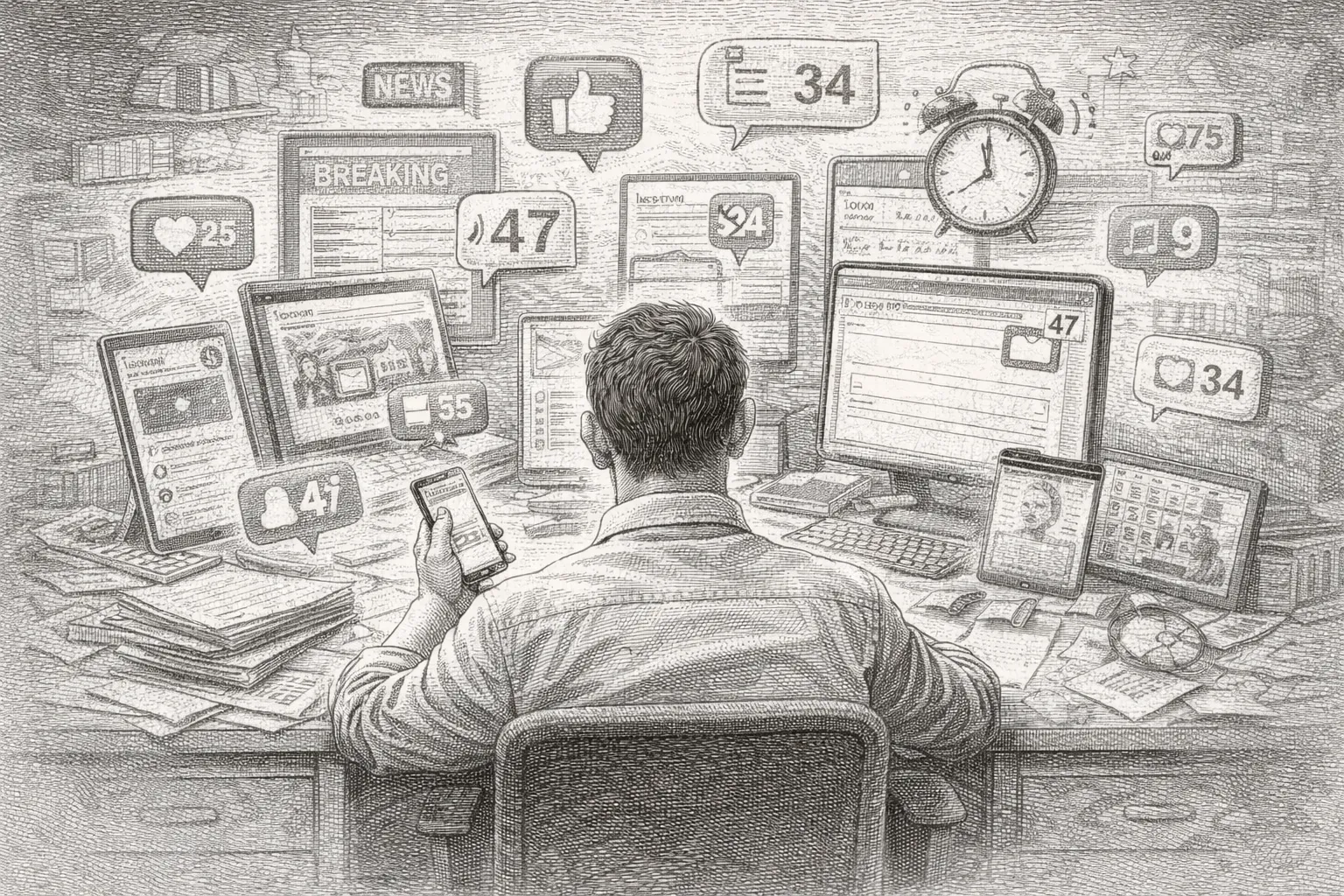
How Distraction Becomes Your Default Mode
You didn't decide to become easily distracted. But after months of constant interruptions and context-switching, your brain has learned that distraction is normal—and focus is the exception.
-

How Environment Beats Self-Control
You keep trying to resist temptation through willpower. But the most successful people don't resist—they redesign their surroundings so willpower isn't needed.
-

How Habits Really Form in Real Life
Forget the 21-day myth. Real habit formation is messier—and more forgiving—than you think. Here's what actually sticks.
-

How Knowledge Workers Burn Out Quietly
You're not collapsing dramatically. You're just getting slower, duller, and more detached. This is what burnout actually looks like for most knowledge workers—and why it's so hard to recognize.
-

How Modern Work Rewards Visibility Over Impact
The best work you've ever done might also be the most invisible. That's not a talent problem — it's a structural one. Here's how it works.
-

How to Build Financial Calm
Financial security isn't about hitting a specific number. It's about creating systems that let you stop thinking about money constantly.
-

How Hunger Affects Cognitive Performance
Skipping meals to stay productive backfires—but eating constantly doesn't help either. Here's how hunger actually impacts your focus.
-

Stop Setting Goals. Start Being Someone.
Why your habits fail when you focus on outcomes instead of identity - and how to make change stick by becoming the person who does the thing.
-

Why Imposter Syndrome Hits High Achievers Hardest
The more you accomplish, the worse you feel. Here's why success amplifies self-doubt instead of eliminating it—and what actually helps.
-

The Invisible Rules of Career Advancement
Doing great work isn't enough. Career progression follows unwritten rules that no one explicitly teaches—until you've already broken them.
-

The Invisible Labor of Managing Others' Expectations
You're not just doing the work—you're managing what everyone thinks about the work. That invisible labor is exhausting, and nobody's counting it.
-

Why Irregular Income Creates Unique Stress
Variable income isn't just unpredictable money—it's a different relationship with financial reality that standard advice doesn't account for.
-

The Work Nobody Mentions in Your Job Description
Why you're exhausted even on 'easy' days - the invisible emotional and cognitive labor that makes modern work so draining.
-

Why Job Hopping Isn't Always Bad
Staying loyal gets you nowhere while switchers advance faster. The old career rules don't apply—here's when moving on is the smartest choice.
-

How to Know If You're Growing or Just Getting Older
Years of experience don't equal growth. Here's how to tell if you're actually developing or just repeating the same year over and over.
-

Why Layoffs Change Your Relationship With Work
Getting laid off—or watching it happen—shatters the illusion of loyalty. Here's how it permanently shifts how you think about your career.
-

How Light Affects Your Ability to Concentrate
Dim lighting makes you tired. Bright screens keep you wired. The wavelength, timing, and intensity of light determine whether you can focus.
-

Why Lifestyle Inflation Happens to Everyone
You earned more but saved less. Lifestyle inflation isn't weakness—it's how human psychology interacts with income increases. Here's what actually works.
-

Why Long-Term Habits Feel Boring
You started strong but lost interest. The habit works—it's just not exciting anymore. Here's why boredom kills consistency and what to do about it.
-

How to Maintain Focus During Long Projects
Three months in and you've lost all momentum. Learn to sustain attention and motivation across projects that span weeks or months.
-

How to Manage Upward Without Being Annoying
Your relationship with your boss shapes your career more than almost anything else. Here's how to manage up effectively without seeming needy.
-

The Minimum Focus Needed for Meaningful Work
You don't need perfect concentration or hours of uninterrupted time. You need just enough focus to get past surface-level thinking.
-

Money Problems Are Often Attention Problems
Why you can't stick to a budget, miss payments, or overspend—and how fixing your attention fixes your finances more than willpower ever could.
-

Why Money Decisions Drain So Much Energy
Every financial choice depletes your mental reserves. Here's why money decisions are uniquely exhausting—and what to do about it.
-

The Focus Difference Between Makers and Managers
Why your calendar is sabotaging your deep work—and how makers and managers need fundamentally different schedules to actually get things done.
-

Why Financial Discipline Feels Exhausting
You're not bad with money—you're fighting decision fatigue with every purchase. Learn why budgeting drains you and what actually works for building wealth.
-

Why Money Goals Feel So Abstract
Saving $50,000 sounds meaningful until you realize you have no idea what that actually changes about your life. Here's why numbers fail to motivate.
-

The Mental Load of Managing Money
Financial stress isn't just about having enough—it's about the constant background anxiety of tracking, deciding, and worrying. Learn how to reduce the load.
-

The Money Mindset That Actually Works
Abundance thinking and scarcity consciousness both fail. The mindset that builds wealth is stranger and less inspirational than either one.
-

Money Problems Are Often Attention Problems
You're not bad with money because you don't understand compound interest. You're struggling because your financial life requires more attention than you have available to give it.
-

Why Money Stress Persists Even When You Earn More
You doubled your income but still feel financially insecure. It's not about the numbers—it's about how comparison and anxiety scale with your earnings.
-

Why Money Shame Keeps People Stuck
Financial mistakes feel like moral failures. That shame prevents you from examining problems clearly or asking for help when you most need it.
-

The Focus Difference Between Morning and Evening People
Your brain's peak performance hours aren't about discipline—they're biology. Here's how to stop fighting your chronotype and start working with it.
-
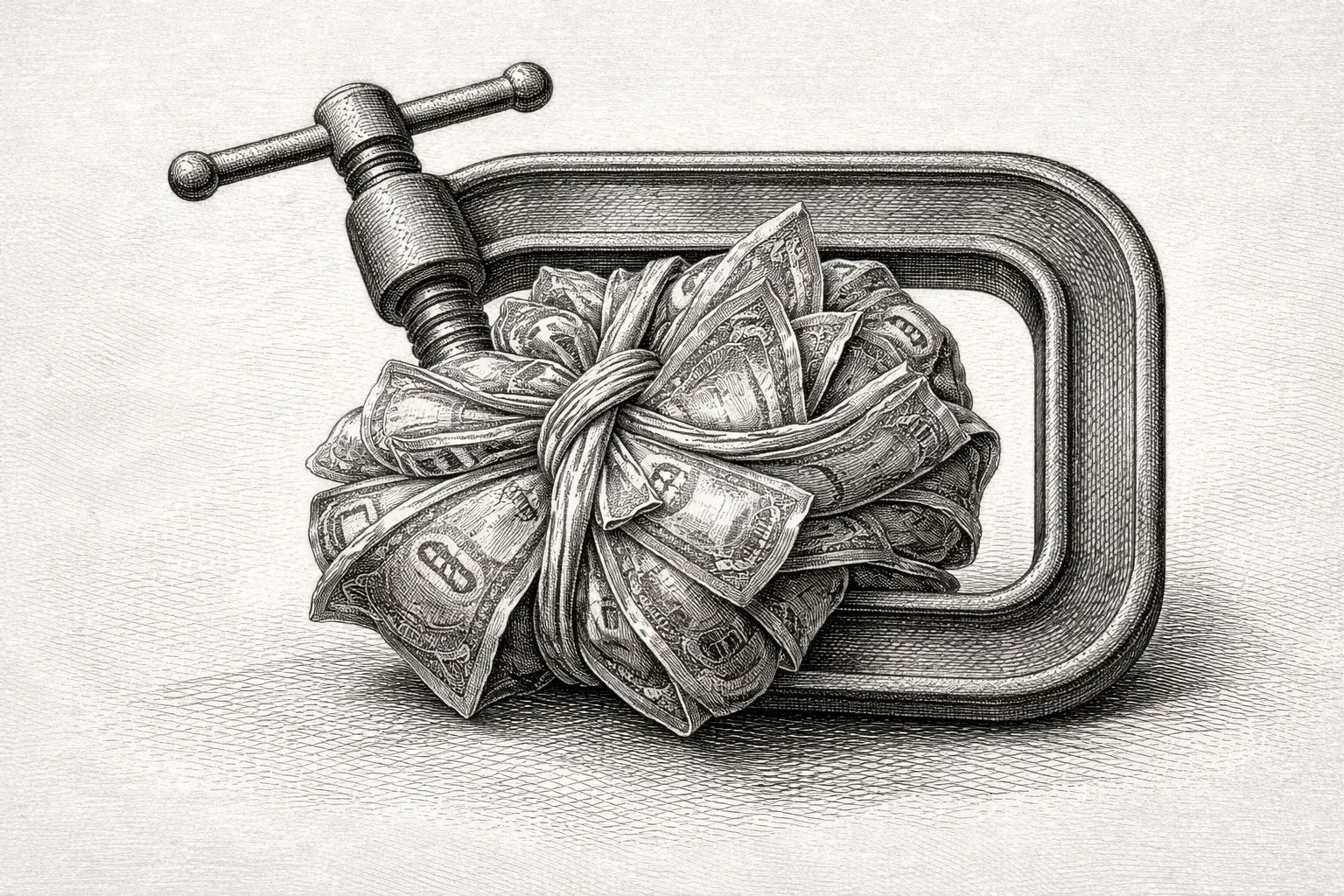
Money Stress Isn't About Math
You know exactly how much you earn and spend. So why does money still cause so much anxiety? Financial stress is emotional, not mathematical—and that changes how you fix it.
-

Why Morning Routines Work for Some, Not Everyone
The 5am productivity formula feels impossible for you. That's not a character flaw—it's biology, lifestyle, and a misunderstanding of what routines actually do.
-

Money Stress Isn't About Math
Why budgeting apps and spreadsheets fail to reduce financial anxiety—and what actually helps when numbers aren't the real problem.
-

How to Navigate Office Politics Without Losing Yourself
You don't have to play games to advance your career. Learn to handle workplace dynamics strategically while staying true to your values.
-

How to Negotiate Salary Without Feeling Pushy
Stop leaving money on the table because you're afraid to ask. Learn to negotiate compensation confidently without damaging relationships.
-

Why Net Worth Isn't Everything
A high net worth on paper means nothing if you can't access it, hate your life building it, or optimized for the wrong metric. Here's what actually matters.
-

Why Networking Feels Inauthentic (And How to Fix It)
You're not bad at networking—you're just doing it wrong. Here's how to build genuine professional relationships without feeling like a fraud.
-

Why 'No Notifications' Isn't Enough
You silenced every notification. You still can't focus. The interruptions aren't just external—they're coming from inside your head.
-

How Noise-Canceling Headphones Actually Affect Focus
The science behind ANC technology and which headphones actually help you concentrate—not just block sound but create the right environment for deep work.
-

The Best Note-Taking Apps for Deep Work
Note-taking apps that support thinking, not just storage—tested by researchers, writers, and knowledge workers building complex ideas over months.
-

How Open-Plan Offices Destroy Deep Thinking
You can't think deeply when your brain is constantly monitoring conversations and movement. Here's why open offices fail knowledge workers.
-

Why Overqualification Can Hurt Job Searches
More experience should help, not hurt. But being overqualified triggers fears you're unaware of—here's how to address them strategically.
-

How Notification Design Hijacks Attention
Turning off notifications isn't enough when apps are engineered to recapture your focus. Here's how design patterns exploit your brain.
-

Why Peak Focus Hours Change Over Time
Your brain's best hours at 25 aren't the same at 45. Understanding chronotype shifts and adapting your schedule to your changing biology.
-

Why Passion Isn't Enough for Career Success
Following your passion sounds inspiring, but it ignores market realities. Here's what actually builds sustainable, fulfilling careers.
-

The Myth of the 'Perfect' Financial Plan
You're waiting to start until you have the perfect strategy. Meanwhile, years pass and you're not saving, investing, or building any financial momentum at all.
-

Pomodoro vs. Deep Work: Which Method Works Better?
25-minute sprints or 90-minute deep dives? Real user experiences reveal which focus method actually works for your brain and your work.
-

How Physical Clutter Affects Mental Clarity
A messy desk doesn't just look chaotic—it creates constant low-level cognitive load that silently drains your ability to think deeply.
-

Your Productivity Tools Are Destroying Your Productivity
Why each new app promising to help you focus actually fragments your attention more - the hidden cost of tool proliferation.
-

How to Prepare for Performance Reviews Like a Pro
Stop winging your performance reviews and hoping for the best. Learn to document wins, own feedback, and advocate effectively year-round.
-

The Difference Between Progress and Movement
You're always working, always moving, but your career isn't advancing. The problem is you're confusing motion with momentum.
-

Your Day Is Designed to Destroy Your Attention
The hidden costs of reactive scheduling and how to build a day structure that protects focus instead of fragmenting it.
-

How to Protect Focus in Collaborative Work Environments
Open offices, constant Slack messages, and back-to-back meetings are destroying your concentration. Learn to collaborate effectively without sacrificing deep work.
-

How to Protect Focus During Life Transitions
Moving, getting married, having a baby, or dealing with loss—your life is in upheaval but work still needs your attention. Learn to function when everything is changing.
-

Build Reading Habits That Actually Stick
You buy books with good intentions, then never finish them. Here's how to build a reading practice that survives distraction and busy schedules.
-

How to Recognize When It's Time to Leave a Job
Stop ignoring the signs that you've outgrown your role. Learn to distinguish between temporary frustration and fundamental misalignment.
-

How to Recover Focus After Interruptions
Interruptions are inevitable, but spending 20 minutes regaining focus after each one isn't. Learn to rebuild concentration quickly and minimize cognitive cost.
-

How to Recover From a Bad Performance Review
A disappointing review isn't career death. Learn to process feedback constructively, create improvement plans, and rebuild credibility.
-

How to Recover From Career Burnout Without Quitting
You're exhausted, cynical, and nothing feels meaningful anymore. Learn to rebuild your energy and engagement without blowing up your career.
-

How to Reduce Habit Friction to Near Zero
Willpower fails because friction wins. The smallest obstacles derail habits—but you can design them out of your environment entirely.
-

The Unexpected Link Between Rest and Focus
You can't focus because you're not resting enough. Real rest isn't scrolling or Netflix—it's active recovery that rebuilds your attention capacity.
-

How to Restart a Habit Without Guilt
You broke your streak. Now guilt prevents you from starting again. The problem isn't the break—it's treating the break as failure instead of data.
-

The Best Resume Templates and Why They Matter
Most resume templates sabotage your job search. Here's what hiring managers actually look for and which templates pass ATS systems.
-

Rituals vs Habits: Why One Feels Meaningful and One Feels Empty
The crucial difference between mindless repetition and intentional practice - and why confusing them sabotages your behavior change.
-

The Best Sabbatical Strategies That Actually Work
After interviewing dozens who took sabbaticals, here's what separates transformative breaks from expensive unemployment with extra steps.
-

How Scarcity Thinking Affects Spending
You're careful with money because you've experienced scarcity. But that scarcity mindset is causing the exact financial decisions you're trying to avoid.
-

How to Set Boundaries With Demanding Bosses
Your manager's constant requests are drowning you. Learn to protect your time and sanity without torpedoing your career.
-

Taking Breaks Every 25 Minutes Might Be Ruining Your Focus
Why the Pomodoro technique and frequent breaks fragment deep work - and when continuous focus actually works better than forced interruption.
-

Why Side Hustles Don't Always Make Sense
Side hustle culture promises extra income and fulfillment. Reality is often exhaustion, negligible pay after expenses, and damage to your primary career.
-

Sometimes You Need to Go Big, Not Start Small
Why atomic habits fail when the problem requires momentum - and how starting too small can sabotage the changes that need dramatic action.
-

Why Small Money Wins Matter More Than You Think
Saving $50 feels pointless when you need $50,000. But small wins create momentum that transforms your entire relationship with money.
-

The Difference Between Smart Money and Calm Money
Smart money maximizes returns. Calm money minimizes anxiety. They're not the same goal, and chasing both will leave you with neither.
-

The Relationship Between Sleep and Focus
You can't focus your way through sleep deprivation. Here's why one bad night destroys your attention—and why catching up on weekends doesn't fix it.
-

The Difference Between Smart Money and Calm Money
Financially optimal decisions aren't always psychologically sustainable. Here's why the 'best' money strategy might be wrong for you.
-

Why Smart People Often Feel Stuck at Work (And What Helps)
You're capable of more, yet nothing moves forward. Intelligence doesn't prevent career stagnation—sometimes it causes it. Here's why and what to do.
-

The Focus Impact of Social Media Algorithms
Social media doesn't just distract you—it trains your brain to crave distraction. Here's how algorithms rewire your attention span and what you can do about it.
-

How Social Pressure Affects Concentration
Working near others should help you focus, but social monitoring drains the exact cognitive resources you need for complex thinking.
-

The Safe Job Is Killing Your Career Growth
Why choosing stability over risk feels responsible but often traps you - and how to navigate the tension between security and advancement.
-

Stack Habits Without Breaking the Chain
Habit stacking sounds perfect in theory but breaks down in practice. Here's why most stacks fail and how to build ones that actually hold.
-

How to Stop Measuring Your Worth by Output
When productivity becomes identity, rest feels like failure. Here's why output-based self-worth is unsustainable—and what to measure instead.
-

The Focus Impact of Chronic Stress
Stress doesn't just make you feel bad—it rewires your brain's attention system. Here's why you can't focus under chronic stress and what actually helps.
-

How Temperature Affects Cognitive Performance
Too hot and you can't think. Too cold and you can't concentrate. The thermal environment controls whether your brain can focus effectively.
-

The Career Advice That Stops Working After 30
Say yes to everything. Work harder than everyone else. The advice that built your early career is quietly holding you back now.
-
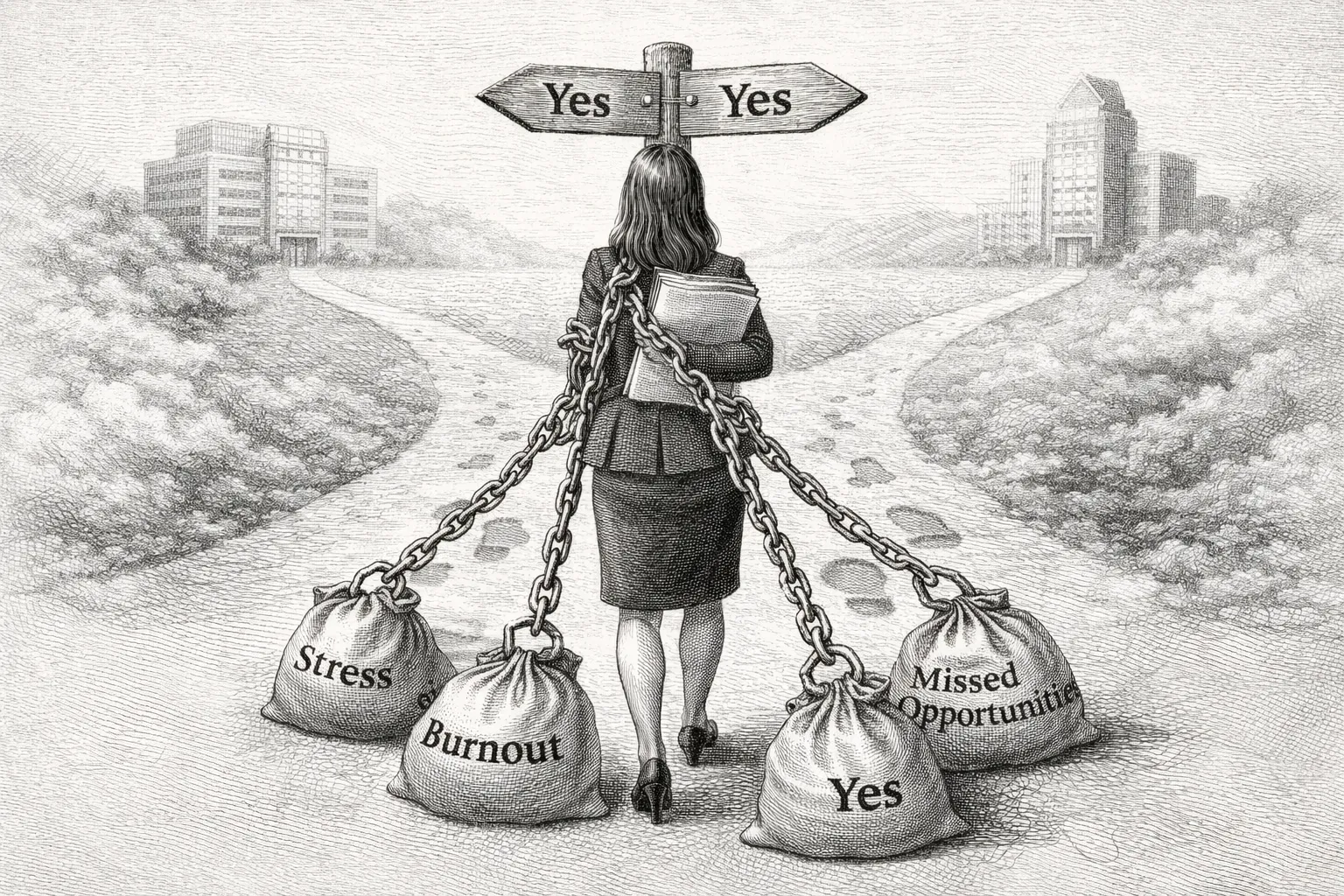
The Career Cost of Always Saying Yes
Being helpful and accommodating seems like the path to success. But saying yes to everything is quietly limiting your career in ways you don't realize until it's too late.
-

The Difference Between Progress and Movement
Busy days feel productive. But feeling productive and actually moving forward are two very different things — and confusing them is expensive.
-
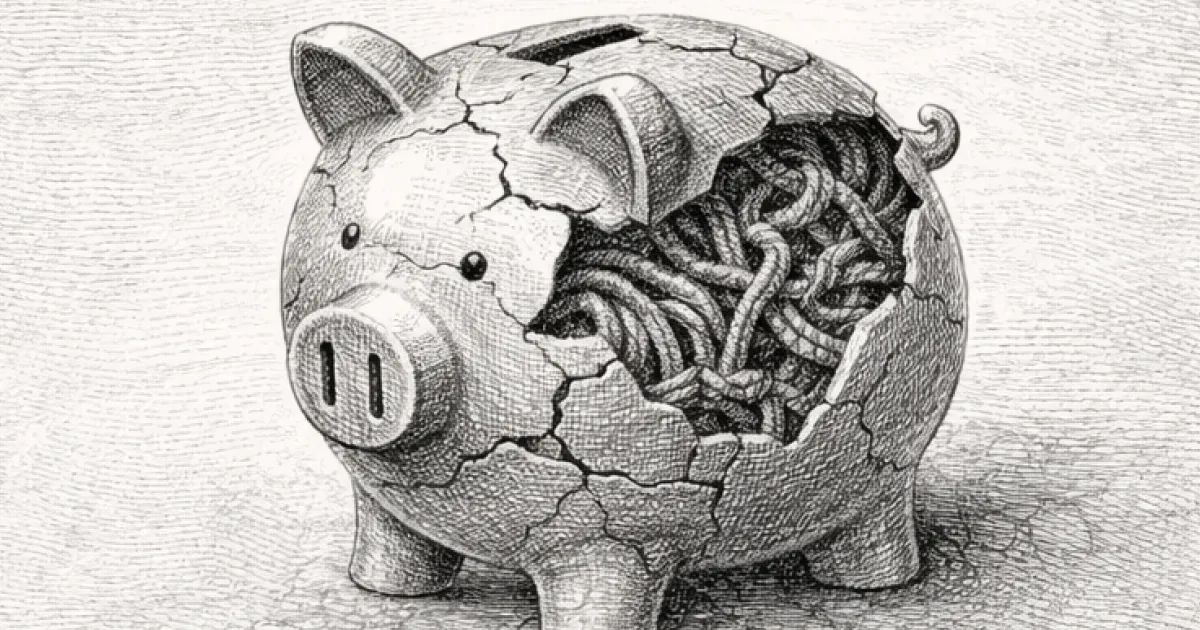
The Emotional Side of Money Nobody Talks About
Financial advice focuses on numbers and strategies. But money decisions are rarely rational—they're shaped by emotions you didn't know you had about security, worth, and control.
-

The Real Reason Deep Work Feels Impossible
You block your calendar, silence notifications, and sit down to focus. But deep work still won't happen. The problem isn't your environment—it's what deep work actually requires.
-

The Hidden Skill Behind Sustainable Careers
The people who last the longest in demanding careers aren't the hardest workers. They're the best at knowing when to stop.
-

The Best Time-Blocking Apps Compared: Which One Fits Your Work Style?
Real comparisons of Motion, Sunsama, Reclaim, and TimeBloc based on actual workflows. Find which time-blocking app matches how you actually work.
-

The Time Trade-Off: Speed vs. Quality vs. Scope
You can't optimize for everything. Here's how to choose what to sacrifice when deadlines, standards, and deliverables collide.
-

The Best Time Tracking Apps for Freelancers
After billing thousands of hours across different clients, here's what actually works for tracking time without derailing your workflow.
-

The Trade-Off Between Time and Energy at Work
You're optimizing your calendar when you should be optimizing your energy. Here's why time management doesn't solve the problem you actually have.
-

How to Transition Careers Without Starting Over
You want to change careers but can't afford to start at entry level. Learn to leverage transferable skills and position yourself strategically.
-

How Uncertainty Makes Money Decisions Harder
When you don't know what the future holds, every financial choice feels risky. Why uncertainty is the real problem, not the decision itself.
-

You're Being Rewarded for Looking Busy, Not Getting Results
Why Slack replies and status updates get you promoted while deep work gets you overlooked - and what to do about it without burning out.
-

The Work-From-Home Tools That Actually Matter
After testing dozens of WFH tools, here are the ones that genuinely improve remote work—not just add to your subscription pile.
-

What Financial Stability Actually Feels Like
Financial stability isn't a number in your account. It's a specific feeling of freedom that most financial advice completely misses.
-

What Focus Actually Feels Like When It's Working
Most people mistake strain for focus. Real concentration feels different than you think—and recognizing it changes everything.
-

What a Sustainable Career Actually Looks Like
A sustainable career isn't about work-life balance or climbing steadily. It's about building a professional life you can maintain for decades.
-

What Sustainable Habits Actually Look Like
Habits that last don't require constant motivation. They look nothing like what productivity culture tells you they should.
-

Why Your Brain Resists Long Tasks
Starting that big project feels impossible not because you're lazy, but because your brain sees no immediate reward for the effort.
-

Why Budgeting Fails for Most People
You've tried budgeting apps, spreadsheets, and the envelope method. They all failed. The problem isn't you—it's that budgets solve the wrong problem.
-

Why Busyness Is a Career Trap
Being constantly busy makes you feel productive and valuable. It's also preventing you from doing the work that would actually advance your career.
-

Why Certifications Don't Always Help Your Career
You spent months getting certified and it barely moved the needle. Here's why credentials don't work the way you think—and what does.
-

Why Company Culture Matters More Than Salary
You took the highest offer and regretted it within months. Here's why the money isn't worth it when the culture is toxic—and how to evaluate what matters.
-

Why Comparing Finances Destroys Your Progress
Financial comparison triggers shame, distorts reality, and sabotages wealth-building. Here's why your brain can't handle it—and what to do instead.
-

Why Experience Doesn't Always Equal Expertise
Ten years of experience isn't the same as one year repeated ten times. Here's why time served doesn't guarantee mastery—and what does.
-

Why Feedback Hurts Even When It's Helpful
You asked for feedback and got it. Now you feel terrible. Here's why good feedback still stings—and how to actually use it instead of spiraling.
-

Why Financial Advice Often Feels Unrealistic
Most money advice assumes starting conditions you don't have. Here's why it fails—and how to translate generic advice into something actually useful.
-

Why Focus Feels Harder Than It Used To
Your ability to focus didn't disappear. The environment changed in ways that make sustained attention nearly impossible for everyone.
-

Why Focus Feels Harder in the Afternoon
Afternoon focus struggles aren't laziness or weak discipline. Your brain is responding to predictable biological and cognitive patterns.
-
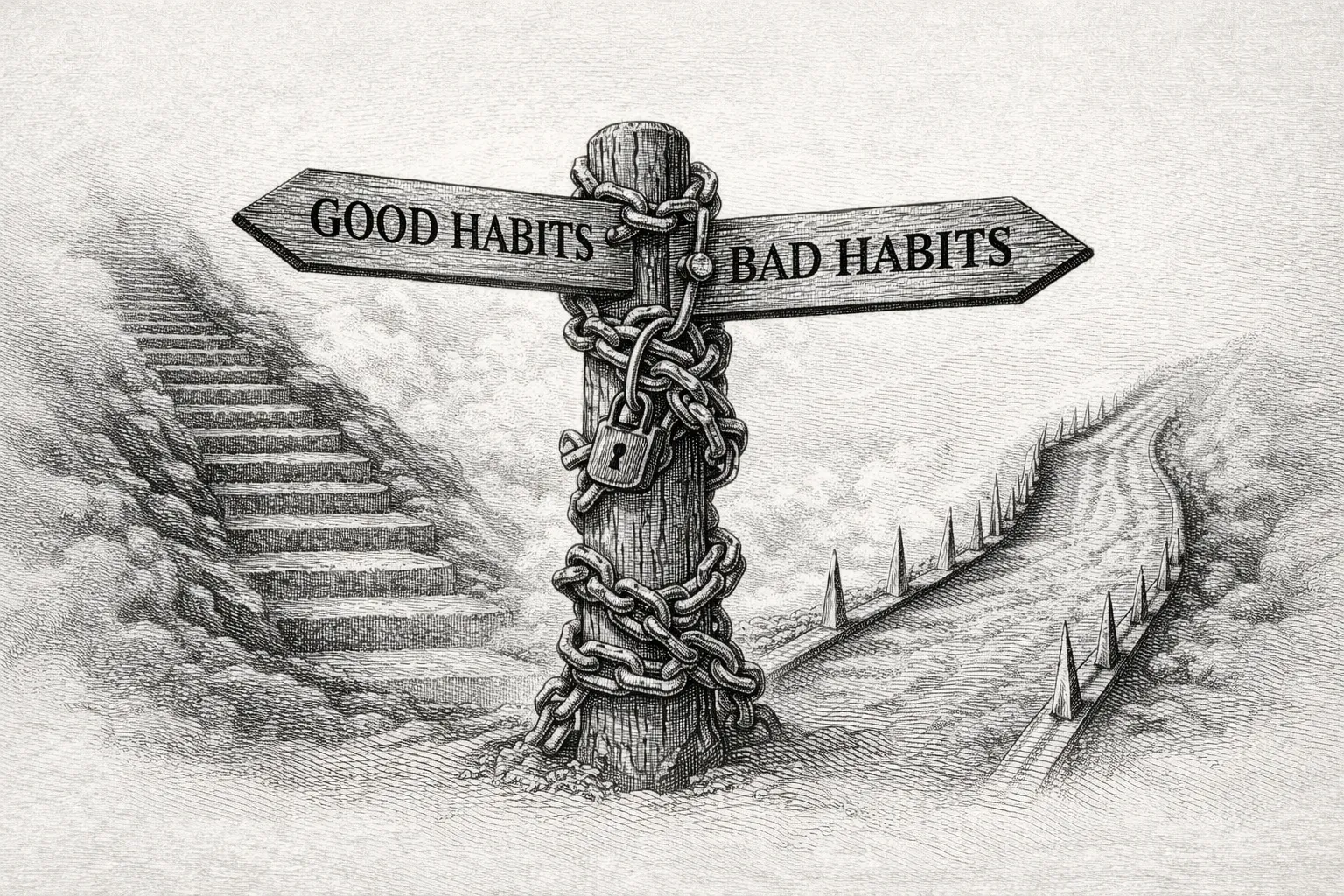
Why Good Habits Feel Harder Than Bad Ones
You can scroll social media for hours without effort, but meditating for ten minutes feels impossible. The problem isn't willpower—it's how habits actually form.
-

Why Some Habit Advice Doesn't Fit Your Life
Morning routines and meditation don't work for everyone. The problem isn't you—it's that you're using someone else's system in your context.
-

Why Habit Change Feels Personal
Changing habits isn't just behavioral—it threatens identity. Here's why 'just do it' doesn't work when habit change means rewriting who you are.
-

Why Habit Streaks Make You Quit Faster
Streak tracking creates fragile habits that collapse at the first disruption. Here's why consistency beats perfection—and how to build it.
-

Why Hard Work Doesn't Guarantee Career Growth
Hard work is necessary but not sufficient. The gap between effort and growth is almost always a strategy problem, not an effort problem.
-

Why Hard Work Doesn't Guarantee Career Growth
You're working harder than your promoted colleagues. The problem isn't effort—it's that you're optimizing for the wrong metrics.
-

Why Learning More Doesn't Always Help Your Career
You're taking courses, reading books, building skills. But your career isn't advancing. Knowledge becomes progress only when it's applied.
-

Why Money Stress Persists Even When You Earn More
You doubled your income but still feel broke. The problem isn't your salary—it's how your brain adapts to having more money.
-

Why More Income Doesn't Automatically Create Safety
You're making twice what you made five years ago but don't feel more secure. Income solves money problems only if your systems change with it.
-

Why Motivation Fails Before Focus Does
You think you can't focus, but you're actually still capable. The problem is you lost motivation to engage, not the ability to concentrate.
-

Why Motivation Is a Terrible Foundation for Habits
You can't rely on motivation to build lasting habits. It's unreliable by design. Here's what actually works when motivation fails.
-

Why Paper and Pen Still Beat Your Productivity Apps
Digital tools promise efficiency but deliver distraction. Here's why analog tools create focus that no app can replicate.
-

Why Saving Feels Harder Than It Should
You earn decent money and want to save. Yet every month, less gets saved than planned. The problem isn't your discipline—it's invisible design.
-

Why Promotions Often Go to the Wrong People
You do excellent work, deliver results, and help the team succeed. Yet someone less capable gets promoted instead. This isn't random—it's how promotion systems actually work.
-

Why Many Smart People Feel Stuck at Work
Intelligence and effort aren't enough to advance. The skills that made you good at the work often prevent you from moving beyond it.
-

Why Tracking Habits Can Backfire
Habit trackers promise accountability and motivation. For many people, they create guilt and make habits feel like mandatory chores.
-

Why "Just Try Harder" Never Improves Focus
Forcing yourself to concentrate doesn't work. Your brain needs different conditions for focus, not more effort applied to bad conditions.
-

Why You Quit Habits Right Before They Work
You stick with a new habit for weeks, see no results, and give up. Then you watch someone else succeed with the same approach. The problem isn't the habit—it's the timing.
-

Why Your Attention Feels Broken (And How to Fix It)
Most productivity advice misses the point. Here's what actually helps when your focus feels impossible to maintain in a distraction-saturated world.
-

Why Your Job Feels Harder Than It Should
You're not bad at your job. Your job is quietly harder than it looks — and the reasons why are almost never the ones people think.
-

How Work Expands to Fill Your Mental Space
You finish work but can't stop thinking about it. Work colonizes your evenings, weekends, and mental capacity. The problem is lack of boundaries, not workload.
-

Why Work-Life Balance Feels Unreachable
Work-life balance isn't failing because you're doing it wrong. The metaphor itself sets you up for constant guilt and frustration.
-

The Skill Nobody Teaches About Managing Work Energy
You manage your time, but not your energy—and that's why you're exhausted by 2pm. Learn the invisible skill that separates sustainable productivity from burnout.
-

Why Remote Work Changes Motivation
Remote work didn't just change where you work—it changed why you work. Learn what drives you now and how to sustain it without an office.
-

How to Work With Difficult Colleagues Without Losing Your Mind
That coworker who derails every meeting isn't going anywhere. Learn to navigate difficult relationships without drama or career damage.

