Distraction
Distraction is often a symptom rather than the cause. These pieces look at what underlies the urge to scatter attention—anxiety, fatigue, unclear priorities—and what actually helps.
-

How Anxiety Masquerades as Distraction
Your focus problem might not be a focus problem. Here's why anxiety often looks like distraction—and what actually helps when it does.
-

Attention Management Beats Time Management
Time blocking won't save you if your attention is scattered. Here's how to actually reclaim your focus in a distracted world.
-

Why Background Noise Works for Some, Not Others
Coffee shop chaos boosts your focus while silence kills it? The neuroscience behind why background noise isn't one-size-fits-all.
-

How to Focus With Background Noise You Can't Control
Step-by-step guide to maintaining concentration in noisy environments. Includes noise type adaptation and auditory attention training protocols.
-

Why Boredom Is Essential for Deep Thinking
Your brain's best insights emerge when you're doing nothing. The neuroscience of why eliminating idle time kills creativity and problem-solving.
-

The Hidden Focus Cost of Too Many Browser Tabs
Those 47 open tabs aren't just clutter—they're a constant drain on your attention. Here's what browser tab overload does to your brain and how to fix it.
-
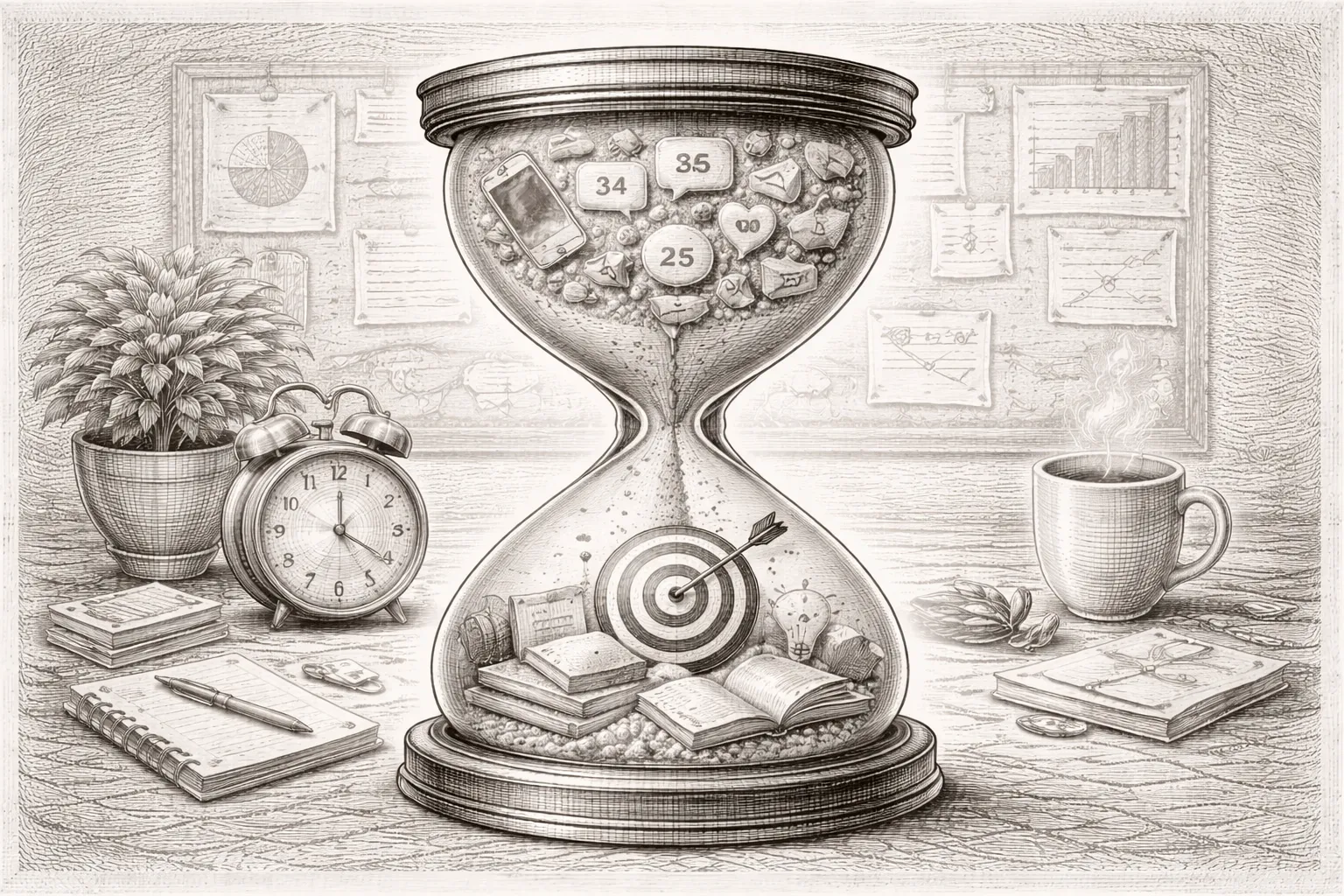
How to Build Focus Stamina Over Time
You can't suddenly focus for hours if you've trained your brain for 10-minute bursts. Here's how to systematically expand attention capacity.
-

The Difference Between Being Busy and Being Focused
You're productive all day but accomplish nothing meaningful. The problem is you're confusing activity with attention—and they're completely different.
-

How Caffeine Really Affects Focus (The Science)
Caffeine boosts alertness, but the timing, dose, and tolerance matter more than you think. Here's what research actually shows.
-

Caffeine Pills vs. Coffee: Focus Performance Compared
Coffee ritual or caffeine pills for focus? After 14 months of testing, here is how to match caffeine delivery to your work patterns and energy crashes.
-

How to Design Your Calendar for Deep Work Without Getting Fired
Step-by-step guide to protecting focus time in collaborative workplaces. Includes political navigation and sustainable blocking strategies.
-

How to Focus in Coffee Shops Without Buying 8 Lattes
Step-by-step guide to productive cafe work sessions. Includes location scouting protocols and sustainable cafe etiquette for remote workers.
-

How to Build Days That Survive Distractions
Perfect focus is impossible. What you need isn't better concentration—it's a daily structure that works even when distractions happen.
-

The Complete Guide to Digital Minimalism for Focus
Step-by-step guide to removing digital clutter that fragments attention. Includes app audit framework and sustainable maintenance systems.
-

How to Build a Distraction-Free Workspace in 2025
Step-by-step guide to creating a workspace that protects deep work. Includes room layout strategies and tech configuration that actually works.
-

How to Block Distractions Without Feeling Restricted
Step-by-step guide to distraction management that feels like support, not punishment. Includes autonomy-preserving protocols and rebellion-proof systems.
-

How Environment Shapes Your Ability to Think
You blame your focus problems on discipline. But your workspace is fighting against you. Change the environment, restore the capacity to think.
-

How Exercise Timing Affects Mental Clarity
Morning workouts feel different than evening ones—and it's not just energy levels. Here's when to exercise for peak cognitive performance.
-

Why You Lose Focus Right When Work Gets Important
Your brain isn't sabotaging you—it's protecting you. Learn why focus fails under pressure and what actually helps you stay sharp when stakes are high.
-

Why You Focus Better at Night (and What to Do)
Your brain isn't broken. Evening focus happens for real reasons—and you can use that pattern strategically instead of fighting it.
-

Your Team Chat Is Destroying Your Ability to Think
Slack and Teams promise better collaboration but deliver constant interruption. Here's the hidden cognitive cost of always-on messaging.
-

The Trade-Off Between Focus and Availability
You can't be both deeply focused and immediately responsive. Here's why modern work demands the impossible—and how to choose strategically.
-

Every Time You Check Email, You Lose 20 Minutes of Focus
Email feels productive but fragments attention in ways most people don't realize. Here's the real cost of inbox obsession.
-

Focus Is Not a Skill. It's a System
You can't willpower your way to better focus. Concentration isn't about trying harder—it's about building an environment and routine that makes focused work inevitable.
-

How to Build Focus Habits That Last Beyond the First Week
Step-by-step guide to sustainable attention practices. Includes energy-aware systems and failure recovery protocols for knowledge workers.
-

Focus Isn't About Willpower — Here's Why
Why trying harder to concentrate makes it worse - and how to design conditions where focus happens naturally instead of forcing it.
-

Why Silence Feels Uncomfortable — and Powerful
Your discomfort with quiet isn't weakness—it's exposure to what you've been avoiding. Learn why silence matters and how to stop running from it.
-

How to Focus With Chronic Pain or Health Issues
Your body won't cooperate, but work still demands your attention. Learn to maintain productivity when pain and symptoms compete for your focus.
-

How to Focus When You Work From Home With Kids
Kids don't understand 'I'm working.' Interruptions feel constant. Here's how to protect focus when parenting and knowledge work collide.
-

Focus Starts Before You Sit Down to Work
Your ability to concentrate isn't about willpower during work—it's about what you did in the hours before. Here's what actually predicts focus.
-

How to Create a Morning Routine That Protects Focus
Step-by-step guide to morning systems that preserve cognitive capacity. Includes attention cost analysis and distraction-proofing protocols.
-

Build Habits When Your Brain Resists Routine
Traditional habit advice assumes a brain that craves consistency. Here's what works when routine feels like fighting your own wiring.
-

The Hidden Cost of Always Being Reachable
Being constantly available doesn't make you more productive. It fragments your attention and kills your ability to think deeply.
-

The Hidden Cost of Multitasking That Nobody Mentions
Multitasking doesn't just slow you down. It degrades your ability to think deeply—and the damage compounds over time.
-
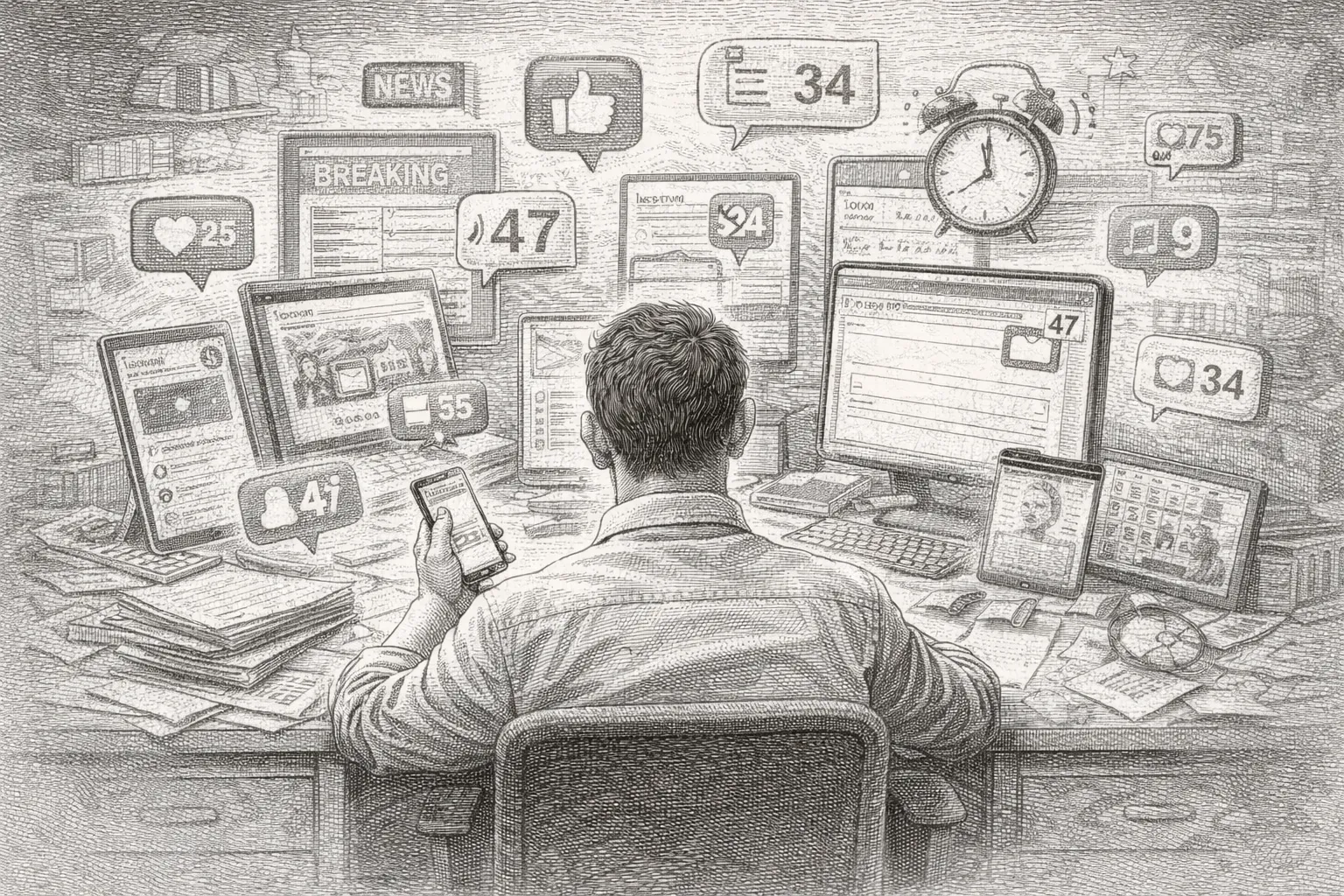
How Distraction Becomes Your Default Mode
You didn't decide to become easily distracted. But after months of constant interruptions and context-switching, your brain has learned that distraction is normal—and focus is the exception.
-

How Hunger Affects Cognitive Performance
Skipping meals to stay productive backfires—but eating constantly doesn't help either. Here's how hunger actually impacts your focus.
-

How Light Affects Your Ability to Concentrate
Dim lighting makes you tired. Bright screens keep you wired. The wavelength, timing, and intensity of light determine whether you can focus.
-

How to Maintain Focus During Long Projects
Three months in and you've lost all momentum. Learn to sustain attention and motivation across projects that span weeks or months.
-

The Focus Difference Between Makers and Managers
Why your calendar is sabotaging your deep work—and how makers and managers need fundamentally different schedules to actually get things done.
-

The Minimum Focus Needed for Meaningful Work
You don't need perfect concentration or hours of uninterrupted time. You need just enough focus to get past surface-level thinking.
-

Money Problems Are Often Attention Problems
Why you can't stick to a budget, miss payments, or overspend—and how fixing your attention fixes your finances more than willpower ever could.
-

How to Use Music to Enhance Concentration Without Distraction
Step-by-step guide to audio environments for focus work. Includes genre testing protocols and individual response mapping for knowledge workers.
-

Why 'No Notifications' Isn't Enough
You silenced every notification. You still can't focus. The interruptions aren't just external—they're coming from inside your head.
-

How Notification Design Hijacks Attention
Turning off notifications isn't enough when apps are engineered to recapture your focus. Here's how design patterns exploit your brain.
-

How Open-Plan Offices Destroy Deep Thinking
You can't think deeply when your brain is constantly monitoring conversations and movement. Here's why open offices fail knowledge workers.
-

How to Create Phone-Free Focus Blocks That Actually Stick
Step-by-step guide to smartphone separation during deep work. Includes withdrawal management and social boundary protocols for remote workers.
-

How Physical Clutter Affects Mental Clarity
A messy desk doesn't just look chaotic—it creates constant low-level cognitive load that silently drains your ability to think deeply.
-

How to Use the Pomodoro Technique Effectively
Step-by-step guide to Pomodoro that survives real work conditions. Includes interruption protocols and focus type matching strategies.
-

Your Day Is Designed to Destroy Your Attention
The hidden costs of reactive scheduling and how to build a day structure that protects focus instead of fragmenting it.
-

How to Protect Focus in Collaborative Work Environments
Open offices, constant Slack messages, and back-to-back meetings are destroying your concentration. Learn to collaborate effectively without sacrificing deep work.
-

Build Reading Habits That Actually Stick
You buy books with good intentions, then never finish them. Here's how to build a reading practice that survives distraction and busy schedules.
-

How to Recover Focus After Interruptions
Interruptions are inevitable, but spending 20 minutes regaining focus after each one isn't. Learn to rebuild concentration quickly and minimize cognitive cost.
-

Taking Breaks Every 25 Minutes Might Be Ruining Your Focus
Why the Pomodoro technique and frequent breaks fragment deep work - and when continuous focus actually works better than forced interruption.
-

Why Some People Need Total Silence to Think
Your colleague thrives in coffee shops while you need absolute quiet. This isn't preference—it's how your brain processes information and manages attention.
-

How Social Pressure Affects Concentration
Working near others should help you focus, but social monitoring drains the exact cognitive resources you need for complex thinking.
-

The Focus Impact of Social Media Algorithms
Social media doesn't just distract you—it trains your brain to crave distraction. Here's how algorithms rewire your attention span and what you can do about it.
-

How Temperature Affects Cognitive Performance
Too hot and you can't think. Too cold and you can't concentrate. The thermal environment controls whether your brain can focus effectively.
-

The Real Reason Deep Work Feels Impossible
You block your calendar, silence notifications, and sit down to focus. But deep work still won't happen. The problem isn't your environment—it's what deep work actually requires.
-

How to Train Your Brain for Deeper Concentration
Step-by-step guide to building sustained focus capacity. Includes progressive training protocols and science-backed recovery methods.
-

How to Stay Focused During Long Video Calls Without Burnout
Step-by-step guide to maintaining attention in 2+ hour meetings. Includes energy management tactics and multi-tasking boundaries.
-

Why Walking Meetings Improve Thinking
Your best ideas don't come sitting in conference rooms. They come while moving. Here's why walking unlocks better thinking and collaboration.
-

What Deep Work Actually Requires
Deep work isn't about willpower. It's about building the right conditions. Here's what most productivity advice gets wrong about focused work.
-

What Focus Actually Feels Like When It's Working
Most people mistake strain for focus. Real concentration feels different than you think—and recognizing it changes everything.
-

Why Background Noise Works for Some, Not Others
Coffee shop chaos helps you focus while your colleague needs silence. The difference isn't preference—it's how your brain processes competing inputs.
-

Why Focus Feels Harder Than It Used To
Your ability to focus didn't disappear. The environment changed in ways that make sustained attention nearly impossible for everyone.
-

Why Focus Feels Harder in the Afternoon
Afternoon focus struggles aren't laziness or weak discipline. Your brain is responding to predictable biological and cognitive patterns.
-

Why Paper and Pen Still Beat Your Productivity Apps
Digital tools promise efficiency but deliver distraction. Here's why analog tools create focus that no app can replicate.
-

Why Single-Tasking Is So Hard to Learn
Your brain craves novelty and resists sustained focus. Single-tasking feels unnatural because modern environments train constant switching, not deep attention.
-

Why Some Music Helps Focus and Some Destroys It
The right music can enhance concentration, but the wrong tracks hijack attention. Understanding what makes music helpful versus distracting changes everything.
-

Why "Just Try Harder" Never Improves Focus
Forcing yourself to concentrate doesn't work. Your brain needs different conditions for focus, not more effort applied to bad conditions.
-

Why Your Attention Feels Broken (And How to Fix It)
Most productivity advice misses the point. Here's what actually helps when your focus feels impossible to maintain in a distraction-saturated world.